


Top Native Flowers to Plant for a Bee-Friendly Garden
Updated: Apr 5
Creating a Garden That Supports Pollinators: A Guide to Native Flowers
========================================================================
Creating a garden that supports pollinators is one of the most effective ways to help bees thrive. Bees play a crucial role in pollinating plants, which supports biodiversity and food production. Choosing native flowers for your garden ensures that local bees find familiar and nutritious sources of nectar and pollen. This post highlights some of the best native flowers to plant for a bee-friendly garden, helping you build a vibrant, sustainable space that benefits both pollinators and your outdoor environment.
Why Native Flowers Matter for Bees
Native flowers have evolved alongside local pollinators, making them the best match for the needs of native bee species. These plants provide the right shape, color, and timing of blooms that bees rely on. Non-native plants often lack the nutritional value or accessibility that native bees require. By planting native flowers, you create a reliable food source that supports bee health and reproduction.
Native plants also tend to be more resilient in local climates and soils, requiring less water and care. This makes your garden easier to maintain while supporting the environment.
Top Native Flowers to Support Pollinators
Here are some native flowers known for attracting and supporting a variety of bee species:
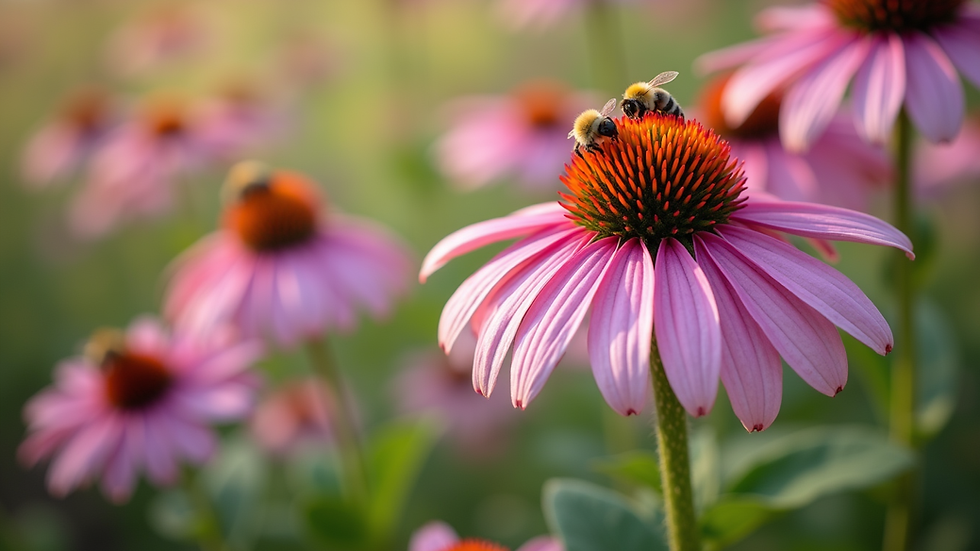
Purple Coneflower (Echinacea purpurea)
Blooms from early summer to fall.
Large, daisy-like flowers with a raised central cone.
Rich in nectar and pollen, attracting bumblebees, honeybees, and solitary bees.
Tolerates drought and poor soil conditions.
Black-eyed Susan (Rudbeckia hirta)
Bright yellow petals with a dark brown center.
Blooms mid-summer to early fall.
Provides abundant pollen and nectar.
Attracts a wide range of bees and butterflies.
Bee Balm (Monarda didyma)
Vibrant red, pink, or purple tubular flowers.
Blooms mid to late summer.
Especially attractive to long-tongued bees like bumblebees and honeybees.
Also supports hummingbirds and butterflies.
Wild Bergamot (Monarda fistulosa)
Lavender to pink flowers with a minty fragrance.
Blooms mid to late summer.
Supports native bees and butterflies.
Prefers well-drained soil and full sun.
Goldenrod (Solidago spp.)
Tall stems with clusters of small yellow flowers.
Blooms late summer to fall.
Critical late-season nectar source for bees preparing for winter.
Supports many native bee species.
Aster (Symphyotrichum spp.)
Star-shaped flowers in shades of purple, blue, and white.
Blooms late summer to fall.
Provides nectar when many other flowers have finished blooming.
Attracts a variety of native bees and butterflies.
Tips for Planting a Bee-Friendly Garden
Creating a bee-friendly garden is easier than you might think! Here are some tips to get you started:
Choose a variety of flowers that bloom at different times to provide food throughout the growing season. This ensures that bees have something to munch on from spring to fall.
Plant in clusters rather than single plants. This makes it easier for bees to find and feed. Think of it as throwing a party for your buzzing friends!
Avoid pesticides and herbicides that can harm bees and other pollinators. Instead, embrace natural pest control methods. Your garden will thank you!
Provide habitat features like bare soil patches for ground-nesting bees and small piles of wood or stems for cavity-nesting species. It's like giving them a cozy home!
Include water sources such as shallow dishes with stones for bees to land on. Bees get thirsty too!

Additional Native Flowers to Consider
If you're looking to expand your bee-friendly garden even further, consider these additional native flowers:
Milkweed (Asclepias spp.): Essential for monarch butterflies and also visited by bees. It's a win-win!
Blazing Star (Liatris spicata): Tall spikes of purple flowers that attract long-tongued bees. They add a striking visual element to your garden.
Golden Alexanders (Zizia aurea): Early spring bloomer with yellow flowers that support early-emerging bees. They’re like the first rays of sunshine in your garden!
Penstemon (Penstemon spp.): Tubular flowers that attract bumblebees and hummingbirds. Who doesn’t love a little extra buzz in the garden?
Creating a Pollinator-Friendly Environment Beyond Flowers
While native flowers are the foundation, consider these elements to make your garden even more welcoming to bees:
Leave some areas undisturbed for nesting and overwintering. A little chaos can be a good thing!
Reduce lawn area to increase space for flowering plants. Less grass means more blooms!
Use mulch sparingly to allow ground-nesting bees access. They appreciate a little open space.
Plant native shrubs and trees that flower at different times. This creates a continuous buffet for our buzzing buddies.
Conclusion
Creating a garden that supports pollinators is not just beneficial for bees; it enriches our environment and enhances our outdoor spaces. By choosing native flowers and implementing thoughtful gardening practices, we can create a thriving ecosystem right in our backyards. So, let’s roll up our sleeves and get planting! Together, we can make a difference for our pollinator friends.
And remember, every little bit helps. Whether you plant a single flower or an entire garden, you’re contributing to a healthier planet. Happy gardening!


Comments