


Bees vs Wasps: Key Differences to Help You Identify Pollinators
Pollinators play a crucial role in our ecosystems, supporting the growth of plants and food crops. Among the most common pollinators are bees and wasps, but many people find it difficult to tell them apart. Understanding the differences between these insects can help you appreciate their roles and avoid unnecessary fear. This guide breaks down the key features that distinguish bees from wasps and explains why identifying them matters.

Physical Appearance
One of the easiest ways to tell bees and wasps apart is by looking at their bodies.
Bees have stout, fuzzy bodies covered with branched hairs. These hairs help them collect pollen, which sticks to their bodies as they move from flower to flower. Their legs are often thick and have pollen baskets.
Wasps have smooth, shiny bodies with little to no hair. Their waists are narrow and clearly segmented, giving them a more slender and sleek appearance. Wasps’ legs are generally thinner and less hairy.
Bees tend to have duller colors, usually in shades of brown, black, and yellow. Wasps often display brighter, more vivid yellow and black stripes, which serve as a warning to predators.
Behavior and Diet
The behavior of bees and wasps also differs significantly.
Bees are primarily pollinators. They feed on nectar and pollen from flowers, which they use to make honey and feed their young. Bees are generally non-aggressive and sting only when threatened.
Wasps are predators and scavengers. They hunt other insects to feed their larvae and also consume sugary substances like fruit and human food. Wasps can be more aggressive, especially in late summer when their natural food sources decline.
Because of their diet, bees are essential for pollination, while wasps help control pest populations by preying on other insects.

Nesting Habits
Where bees and wasps build their nests also helps identify them.
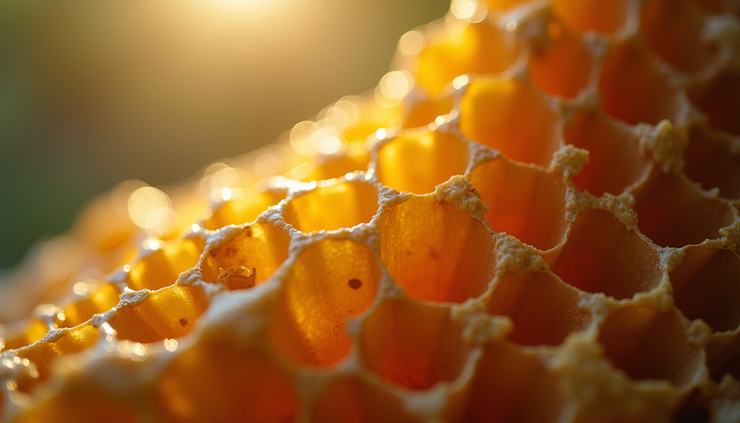
Bees usually build nests from wax. Honeybees create large, complex hives with hexagonal cells inside hollow trees or man-made hives. Bumblebees make smaller nests in the ground or in cavities.
Wasps build nests from paper-like material made by chewing wood fibers mixed with saliva. These nests often hang from trees, eaves, or other structures and have a papery texture.
Bee nests tend to be more permanent and organized, while wasp nests are often temporary and can be found in a wider variety of locations.
Role in the Ecosystem
Both bees and wasps contribute to the environment, but in different ways.
Bees are vital pollinators. They help plants reproduce by transferring pollen, which supports biodiversity and food production. Without bees, many fruits, vegetables, and flowers would struggle to grow.
Wasps provide natural pest control. By hunting insects like caterpillars and flies, they reduce the number of pests that can damage crops and gardens.
Recognizing these roles can help reduce fear of wasps and promote respect for both insects.
How to Safely Identify and Interact
Knowing how to identify bees and wasps can help you stay safe and protect these important insects.
If you see a fuzzy insect visiting flowers, it is likely a bee. Avoid disturbing it, as bees usually sting only when provoked.
If you spot a shiny, slender insect flying aggressively or near food, it is probably a wasp. Wasps can sting multiple times, so keep a safe distance.
Avoid swatting at either insect. Sudden movements can provoke stings.
If you find a nest near your home, contact a professional for removal, especially if it is a wasp nest.
Summary
Bees and wasps may look similar at first glance, but they have clear differences in appearance, behavior, and ecological roles. Bees have fuzzy bodies and focus on pollination, while wasps have smooth bodies and act as predators. Both insects are valuable to the environment, so learning to identify them helps us protect pollinators and maintain healthy ecosystems.


Comments